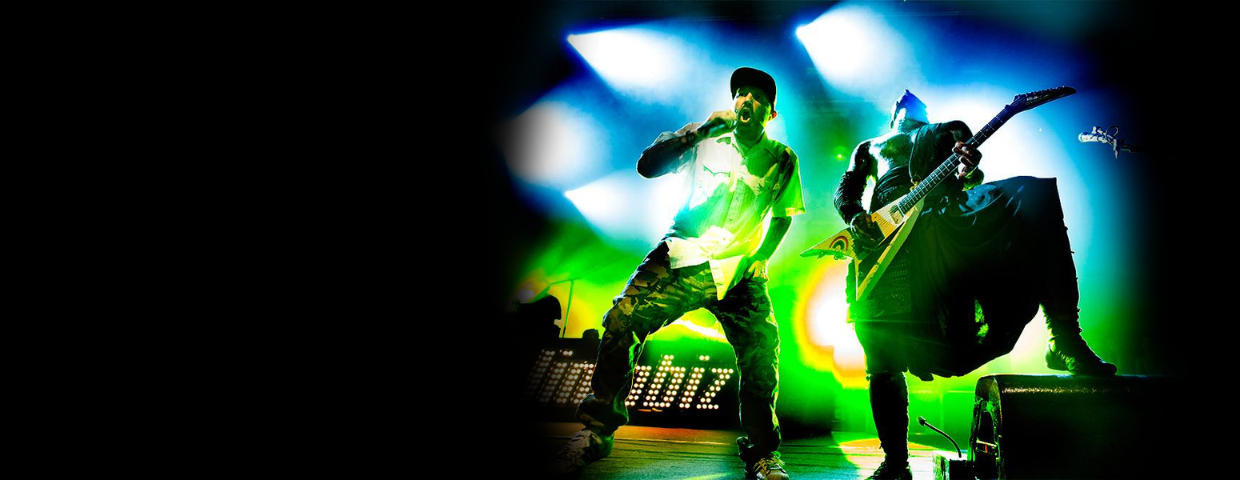
Limp Bizkit je ameriška nu-metal zasedba, ustanovljena leta 1994 v Jacksonvillu na Floridi. Skupina je zaslovela po eksplozivni kombinaciji rapa, metala in punka, ki jo dopolnjuje provokativen in karizmatičen nastop frontmana Freda Dursta. Poleg njega zasedbo sestavljajo še Wes Borland (kitara), Sam Rivers (bas), John Otto (bobni) in DJ Lethal (DJ/producent).
Preboj so doživeli konec devetdesetih let in v začetku 2000-ih z albumi, kot so Significant Other (1999), Chocolate Starfish and the Hot Dog Flavored Water (2000) in Results May Vary (2003). Njihove uspešnice, kot so “Nookie,” “Break Stuff,” “My Generation” in “Rollin’,” so postale himne uporniške mladine, njihova glasba pa surova, divja in pogosto nabita z jezo, frustracijo in izrazitim protisistemskim nabojem. Vse to jih je katapultiralo v samo središče takratnega kulturnega in glasbenega momenta, ki je zaznamoval generacijo MTV-ja in TRL‑a.
Kljub številnim kritikam in kontroverzam – zaradi vulgarnega izraza, vizualne ekscentričnosti in razburjajoče medijske prisotnosti – so Limp Bizkit zgradili eno najbolj prepoznavnih in polarizirajočih glasbenih identitet svoje dobe. Wes Borlandova prepoznavna podoba, z izstopajočo maskirno estetiko in eksperimentalnim pristopom h kitari, je dodatno utrjevala njihov status kot vizualno-glasbeni fenomen.
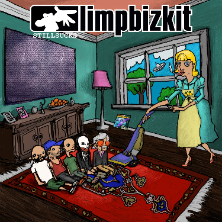
Po obdobju ustvarjalne tišine in sprememb v postavi so se leta 2021 vrnili z albumom Still Sucks, ki je predstavljal nenavadno svežo mešanico nostalgične samoironije in samozavedne provokativnosti. Kritiki so album opisali kot “presenetljivo zabaven” in “nepričakovano avtentičen,” oboževalci pa so ga sprejeli kot zrelejšo, a še vedno eksplozivno različico svoje mladostne ikone.
Njihovi koncerti tudi danes ostajajo visokoenergijski spektakli, ki zvesto združujejo stare klasike, nove komade in značilno odrsko provokacijo. Limp Bizkit se igrajo s svojo zgodovino, imidžem in žanrsko zapuščino – vedno z dozo humorja, karikature in brezkompromisnega nastopaštva, zaradi česar ostajajo kultna in živa prisotnost tudi v sodobnem času.