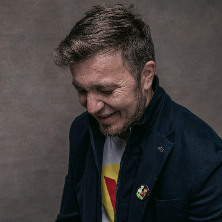
Edo Maajka (pravo ime Edin Osmić, rojen 22. decembra 1978 v Brčkom) je bosansko-hrvaški raper, tekstopisec, producent in eden najvplivnejših hip hop ustvarjalcev na prostoru nekdanje Jugoslavije. Njegova kariera je zaznamovana z brezkompromisno liriko, družbenokritičnimi besedili in značilnim pripovednim slogom, ki prepleta humor, ironijo in surovo realnost.
Otroštvo je preživel med Brčkom in Zagrebačko regijo, a ga je vojna v Bosni in Hercegovini močno zaznamovala – izkušnje izbeglištva in tranzicijskega obdobja so pozneje postale osrednja tema njegove glasbe. Z glasbo se je začel ukvarjati v srednji šoli, najprej v skupinah Obe 1 in Diskord, nato pa v začetku 2000-ih stopil na sceno kot solo izvajalec.
Njegov prvenec Slušaj mater (2002) je hip hop sceno v regiji postavil na glavo – s singli „Znaš me“, „Prikaze“ in naslovno skladbo je pokazal, da rap v balkanskem prostoru lahko nosi močno socialno sporočilo in umetniško težo. Album je prejel vrsto nagrad (Porin, Davorin, Zlatna Koogla) ter utrdil Eda kot vodilni glas generacije.
Sledili so izjemno vplivni albumi No Sikiriki (2004), Stigo ćumur (2006) in Balkansko a naše (2008), na katerih je Edo združil osebne zgodbe, družbeno kritiko in satire o politiki, nacionalizmu, kriminalu ter pop kulturi. Njegova sposobnost spajanja avtobiografskih detajlov z univerzalnimi temami je zgradila trdno bazo poslušalcev po celotni regiji.
Po nekajletnem kreativnem premoru je leta 2012 izdal introspektivni album Štrajk mozga, nato pa leta 2018 še Put u plus, ki ga je posnel z bendom in ki prinaša bolj optimističen ton ter mešanico rapa z živimi instrumenti, funkom in rockom. Album je bil deležen izjemnih kritik in potrditve, da Edo ostaja relevanten ustvarjalec, ki se zna razvijati brez izgube avtentičnosti.
Edo Maajka je znan po karizmatičnih, energičnih koncertih – pogosto nastopa z bendom, kar njegovim skladbam daje dodatno dinamiko. Njegova besedila so prepoznavna po ritmični igri besed, jasnih narativnih lokih in sposobnosti, da težke teme predstavi na dostopen, a hkrati intelektualno izzivalen način.
Poleg glasbe se Edo pojavlja tudi kot radijski gostitelj, mentor mladim raperjem ter aktivist za strpnost, socialno pravičnost in proti diskriminaciji.